
Capcom Is Teaching Gamers How to Be a Parent Through Resident Evil and Pragmata in 2026
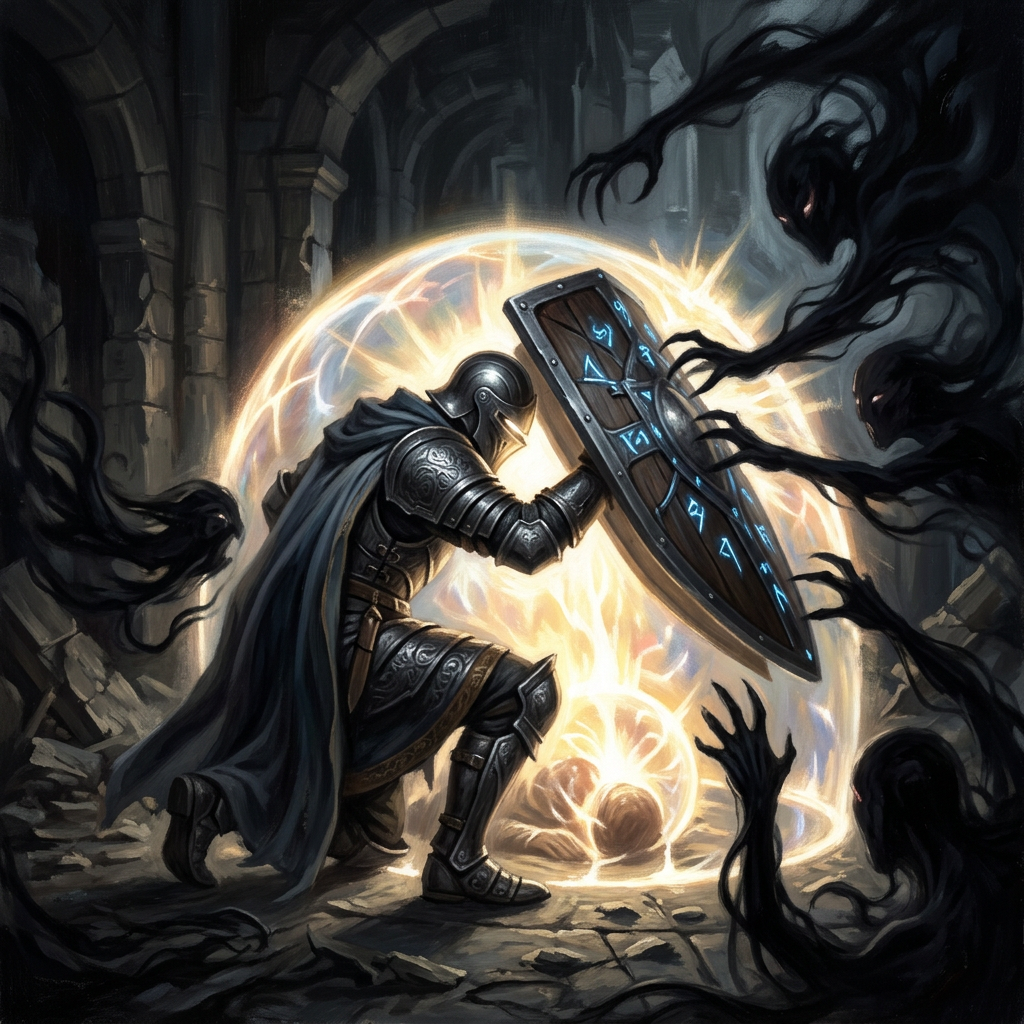
Capcom’s two biggest releases of 2026 share something unexpected. Both center not on invincible heroes but on ordinary people doing everything they can to protect a child who depends entirely on them.
In Resident Evil Requiem, that bond forms between Grace Ashcroft and a young blind girl named Emily, found trapped in a medical facility. Grace is a timid FBI analyst and daughter of Outbreak survivor Alyssa Ashcroft, not a seasoned fighter like Leon S. Kennedy.
She stumbles and panics, making every moment of keeping Emily safe feel desperate and personal. By the end she has transformed from an emotionally closed-off introvert into someone who chooses to adopt the child she fought so hard to protect.
Pragmata takes a different setting but the same emotional core. Hugh Williams is a stoic engineer who becomes guardian to Diana, a curious girl navigating a hostile lunar facility.
The bond builds through small accumulated moments, Diana drawing on Hugh’s spacesuit, asking difficult questions, existing beside him in the quiet spaces between danger. Critics have called the result dad-core energy done right, earned rather than scripted.
Both games represent a deliberate creative shift away from superheroCan you polish this? Capcom Is Teaching Gamers How to Be a Parent Through Resident Evil and Pragmata in 2026 Capcom’s two biggest releases of 2026 share something unexpected. Both center not on invincible heroes but on ordinary people doing everything they can to protect a child who depends entirely on them. In Resident Evil Requiem, that bond forms between Grace Ashcroft and a young blind girl named Emily, found trapped in a medical facility. Grace is a timid FBI analyst and daughter of Outbreak survivor Alyssa Ashcroft, not a seasoned fighter like Leon S. Kennedy.
She stumbles and panics, making every moment of keeping Emily safe feel desperate and personal. By the end she has transformed from an emotionally closed-off introvert into someone who chooses to adopt the child she fought so hard to protect. Pragmata takes a different setting but the same emotional core. Hugh Williams is a stoic engineer who becomes guardian to Diana, a curious girl navigating a hostile lunar facility.
The bond builds through small accumulated moments, Diana drawing on Hugh’s spacesuit, asking difficult questions, existing beside him in the quiet spaces between danger. Critics have called the result dad-core energy done right, earned rather than scripted. Both games represent a deliberate creative shift away from superhero power fantasy toward something more grounded. Protective instinct, emotional vulnerability, and the weight of being responsible for someone smaller than you. Capcom is telling a harder kind of story in 2026 and telling it well.
Capcom is doing something unusually grounded in 2026—and it shows up in two of its biggest releases: Resident Evil Requiem and Pragmata.
A different kind of hero


Both games step away from the traditional power fantasy. Instead of hardened veterans or unstoppable protagonists, they focus on ordinary people forced into extraordinary responsibility—protecting a child who cannot survive without them.
Survival as responsibility
In Resident Evil Requiem, that responsibility falls to Grace Ashcroft. She isn’t a battle-hardened agent like Leon S. Kennedy, but a timid FBI analyst—the daughter of Outbreak survivor Alyssa Ashcroft.
When she discovers Emily, a blind girl trapped inside a medical facility, the stakes become intensely personal. Grace hesitates. She panics. Every decision feels fragile. That vulnerability is the point—survival isn’t about dominance, but endurance under pressure.
By the end, her arc lands not in triumph, but in choice: she opens herself up and adopts the child she fought to protect. It’s not just survival—it’s commitment.
Quiet moments in a hostile world
Pragmata mirrors that emotional core in a completely different setting. Hugh Williams, a stoic engineer, becomes the guardian of Diana, a curious child navigating a dangerous lunar facility.
Their relationship isn’t built through dramatic speeches, but through accumulation—small, human moments:
- Diana sketching on Hugh’s suit
- Asking questions he doesn’t know how to answer
- Simply existing beside him in silence between threats
The result has often been described as “dad-core” done right—not forced, not sentimental, but earned through time and proximity.
Capcom’s shift in 2026
What ties these stories together is a deliberate change in focus. Capcom isn’t just telling stories about survival anymore—it’s telling stories about responsibility.
Not power, but protection.
Not invincibility, but vulnerability.
Not saving the world, but showing up for one person who needs you.
It’s a harder story to tell—and a more human one. power fantasy toward something more grounded. Protective instinct, emotional vulnerability, and the weight of being responsible for someone smaller than you. Capcom is telling a harder kind of story in 2026 and telling it well.
Leave a Reply