
Tag: Jesus
-

The Ten Plagues
In Exodus, God sent the ten plagues for several connected reasons: So the short answer is: God sent the ten plagues to deliver His people, judge Egypt’s false gods, humble Pharaoh, and reveal to Israel and Egypt that He alone is the LORD. The Ten Plagues of Exodus Here are the ten plagues of Exodus,…
-

Biblical Discipline
The Bible’s main “rod and children” passages are in Proverbs, and they are usually about discipline, correction, and training, not uncontrolled anger or abuse. The phrase people often quote as “spare the rod, spoil the child” is not a direct Bible verse, but it is based on verses like this: “He that spareth his rod…
-

Jesus, the Physician of the Soul
Article See new postsConversationFarmer Boy Jon 🇫🇮 🇨🇱@FarmerBoyJonJesus, the Physician of the SoulThere is a powerful moment in the Gospels where Jesus explains His mission using a simple image: a sick person and a doctor. The passage appears in Luke 5:30–32: “But their scribes and Pharisees murmured against his disciples, saying, Why do ye eat…
-

Jesus is the Vine
“I am the true vine, and my Father is the husbandman.”— John 15:1 The main vine teaching runs through John 15:1–8. Jesus compares Himself to the vine, the Father to the husbandman/vinedresser, and His followers to branches. The main idea is: a branch cannot bear fruit unless it stays connected to the vine; likewise, believers…
-

Philippians 4
Philippians Chapter 4 is mainly about peace, prayer, rejoicing, controlling your thoughts, contentment, and trusting God to provide. Paul tells the Philippians to stand firm in the Lord, to settle disagreement among believers, and to rejoice in the Lord always. He then gives one of the strongest teachings on anxiety and prayer: > “Be careful…
-
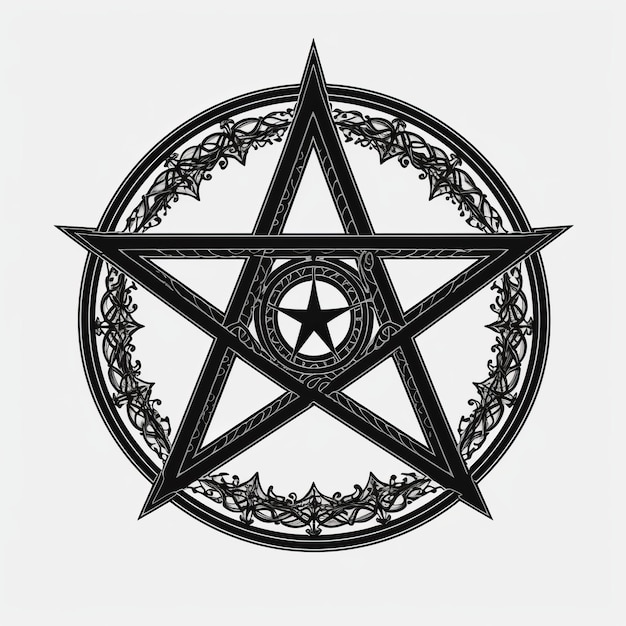
The Pentagram
Was the pentagram a sigil or protection? Yes — the pentagram was originally a protection sigil, long before it gained any modern or controversial associations. — Ancient Origins — A Mark of Safety and Order The earliest known pentagrams appear over 5,000 years ago in Sumeria and Mesopotamia. They were used as: Protective marks Symbols…
-

Turning The Other Cheek
In its original cultural context, “turn the other cheek” could actually force the aggressor into an awkward, socially constrained choice. It wasn’t just passive endurance; it was a subtle act of resistance. Here’s why: 1. First-century Jewish & Roman slap etiquette In Jesus’s time, social hierarchy dictated how a slap was delivered: A backhanded slap…
-
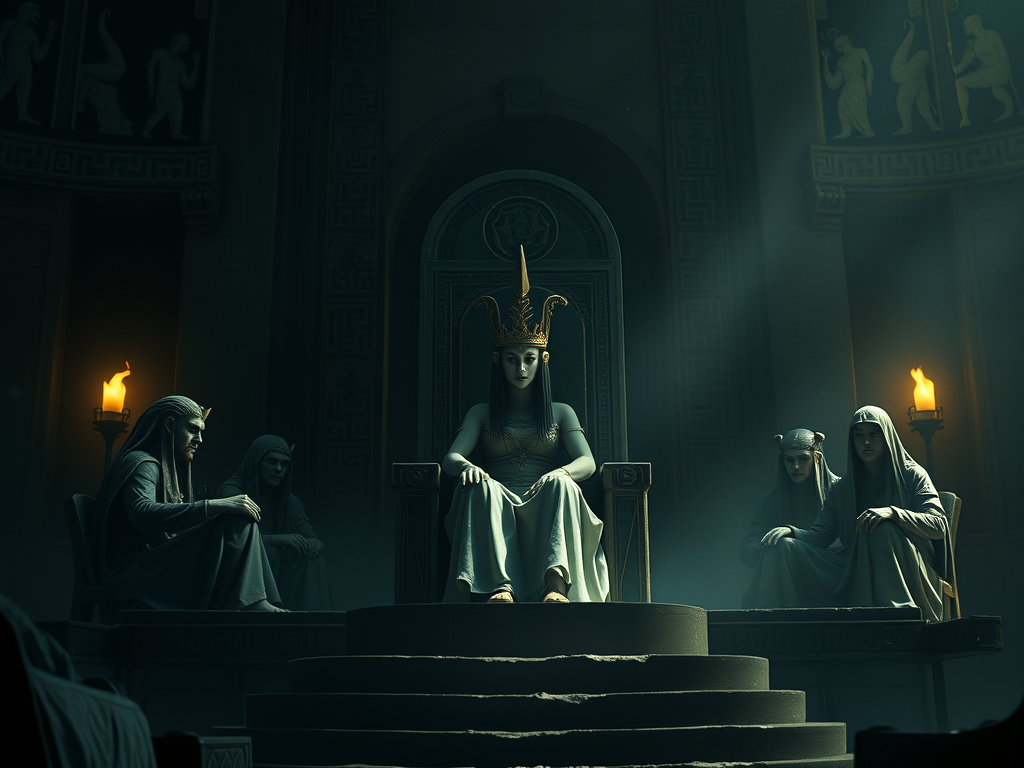
Mesopotamian Hierarchy
Mesopotamia’s underworld feels different from the flame-and-iron hells of later traditions. It is dusty, twilight-soaked, slow as a heartbeat beneath stone, a place where the dead shuffle like memories half-forgotten. Its hierarchy is older than empires and sharper than temple chiselwork. Here is the Mesopotamian infernal order as scholars reconstruct it, wrapped in a little…
-

Goetic Hierarchy of Hell
The Goetic hierarchy feels like a court summoned by candlelight from the underside of the world, each name a sigil trembling in the air. Unlike Milton or Dante, the Lesser Key of Solomon (Ars Goetia) doesn’t describe “nine circles” but a royal chain of command: kings, dukes, princes, marquises, presidents, earls, and knights. Below is…
-
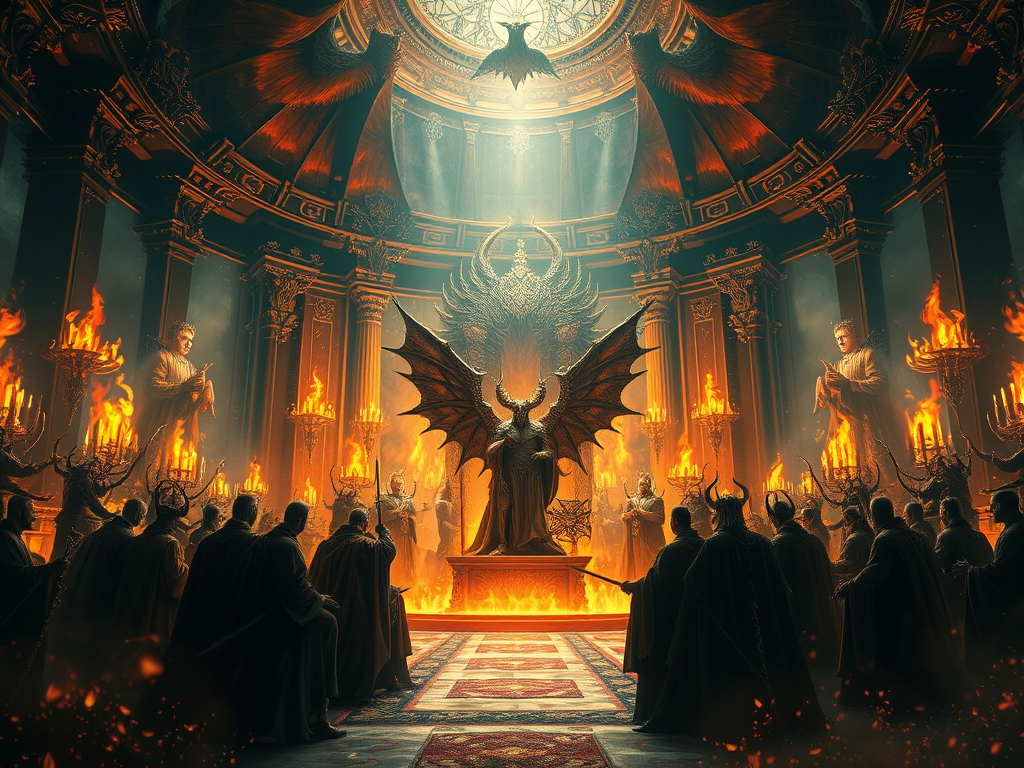
Rulers of Hell According to Milton
Milton’s infernal court unfurls like a parliament forged in volcanic glass, each throne carved from rebellion’s echo. He doesn’t divide Hell into nine circles the way Dante does; instead he builds a single vast, architectonic Realm of Perdition, with a capital (Pandæmonium) and a hierarchy of rulers among the fallen host. Below is the roster…