
Was the pentagram a sigil or protection? Yes — the pentagram was originally a protection sigil, long before it gained any modern or controversial associations.
—
Ancient Origins — A Mark of Safety and Order
The earliest known pentagrams appear over 5,000 years ago in Sumeria and Mesopotamia. They were used as:
Protective marks
Symbols of order and harmony
Indicators of sacred or guarded spaces
In some cuneiform contexts, the pentagram literally meant “enclosure” or “protected place.”
—
Greek & Pythagorean Use — Perfection and Health
The Pythagoreans (6th century BCE) adopted the pentagram as a symbol of:
Mathematical perfection
Balance and proportion
Health and wholeness
They called it Hygieia (health) and used it as a sign of recognition and mutual protection among initiates.
—
Early Christianity — A Protective Christian Symbol
Before the cross became dominant, Christians used the pentagram to represent:
The Five Wounds of Christ
Divine protection
The harmony of body and soul
Medieval Christians engraved pentagrams on:
Doors
Armor
Shields
Churches
It was widely understood as a ward against evil.
—
Medieval Magic & Folk Protection
In medieval grimoires and folk traditions, the upright pentagram symbolized:
The five classical elements (earth, air, fire, water, spirit)
The soul’s dominance over matter
Protection against demons and malevolent spirits
It was commonly used in:
Talismans
Amulets
Ritual circles
Protective seals
—
When Did the Meaning Change?
The negative association is very recent (19th–20th century):
Popularized by Éliphas Lévi, who linked the inverted pentagram with imbalance
Later exaggerated by sensationalist literature and pop culture
Further distorted by modern moral panics
Historically, upright pentagram = protection
The inverted form was rare and symbolic, not inherently “evil.”
—
In Short
✔ Yes, the pentagram began as a protective sigil
✔ It symbolized order, balance, life, and divine harmony
✔ Its darker reputation is a modern reinterpretation, not its origin
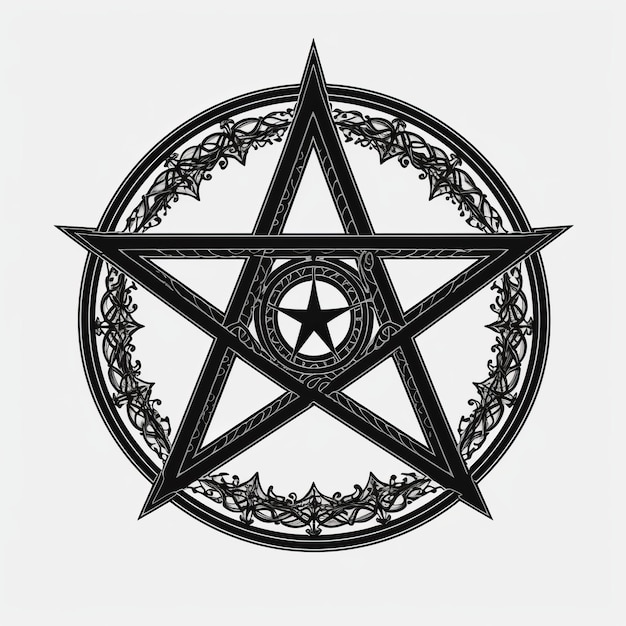
The Pentagram
Discover more from Red Dirt Road
Subscribe to get the latest posts sent to your email.
Leave a Reply