
Tag: Christian
-

Jesus is the Vine
The vine and branches in John 15 describe the disciples’ dependence on Jesus and the life that grows from remaining in Him. The image belongs to His farewell teaching before the crucifixion. It prepares His followers for faithful life together when they will no longer relate to Him in the same visible way. The Vine,…
-
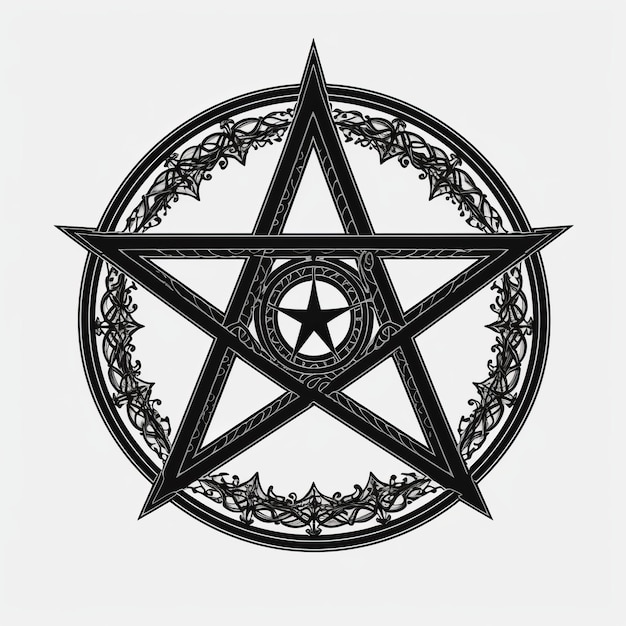
The Pentagram
A pentagram is a five-pointed star formed by intersecting lines. Its shape alone does not tell us what a particular person or community means by it. A literary emblem, a decorative pattern, and a figure in a ritual manuscript may use similar geometry for different purposes. The historical question is therefore specific: where does the…
-

Turning The Other Cheek
“Turn the other cheek” belongs to Jesus’ teaching about retaliation and love of enemies. It is a demanding call to refuse vengeance and imitate the Father’s generosity. Reading the full passage gives the saying a clearer purpose than treating it as either a slogan for passivity or a clever technique for humiliating an aggressor. The…
-
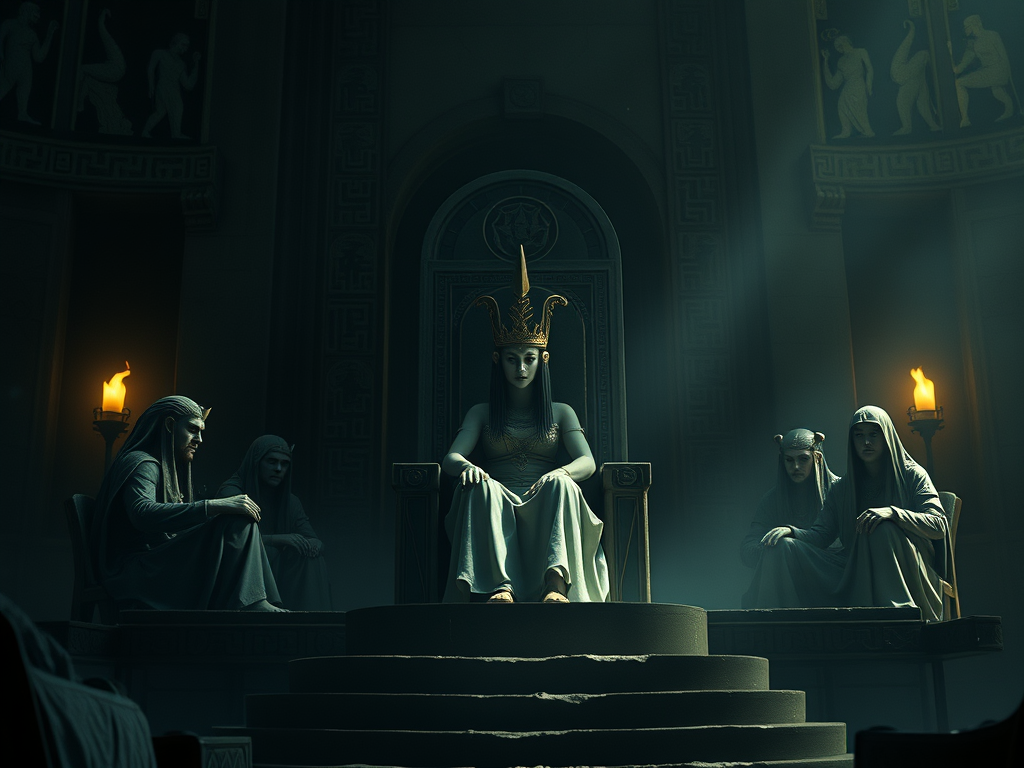
Mesopotamian Hierarchy
Ancient Mesopotamian accounts of the underworld contain rulers, gatekeepers, divine assemblies, and descriptions of the dead. They do not form a single organization chart that remained identical across every language, city, and period. The safest starting point is a named composition and the role each figure actually plays in it. The Court in Inana’s Descent…
-

Goetic Hierarchy of Hell
The Goetia, the first part of the Lemegeton or Lesser Key of Solomon, presents a catalogue of seventy-two spirits with names, titles, attributed abilities, and other details. Its language borrows ranks such as king, duke, prince, marquis, president, and earl. That makes it resemble a court, but a catalogue of titles is not the same…
-
Comparative Synthesis
Beliefs about the dead raise several different questions: what happens after death, whether there is an intermediate state, whether the living may pray for the departed, and whether contact through a medium is permitted. Comparing religions becomes more useful when those questions remain distinct. The comparison below uses identified texts and traditions. It does not…
-
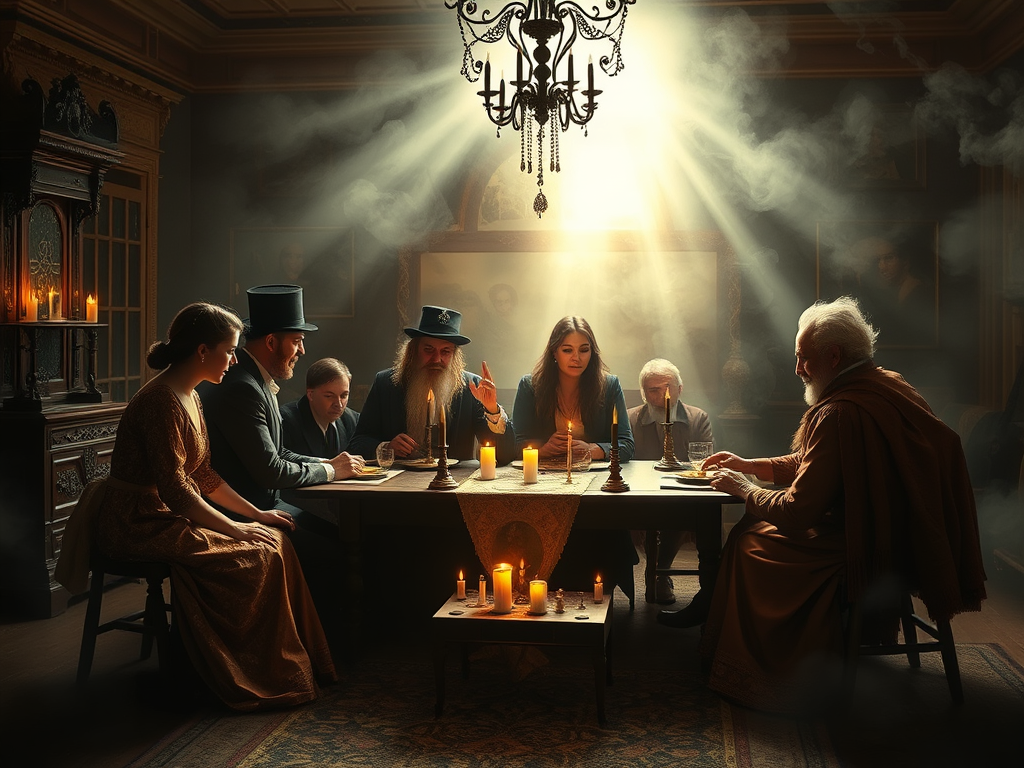
Modern and Esoteric Interpretation
Modern discussions of spirits, the dead, and religious experience include organized Spiritualism, Theosophy, Anthroposophy, psychological investigation, and later movements often grouped under “New Age.” These are related areas of interest, not one doctrine progressing unchanged through time. Their accounts of personhood, knowledge, and life after death can differ substantially. The clearest comparison begins with each…
-

Renaissance and Reformation Era
Renaissance and Reformation discussions of the unseen world brought together classical philosophy, Christian prayer, claims about natural powers, and disputes over religious authority. These currents overlapped, but they were not one movement. A natural philosopher’s account of hidden properties, a visionary’s report, and a church confession answer different questions. The period is best approached through…
-
Christian Mystic and Theological Evolution
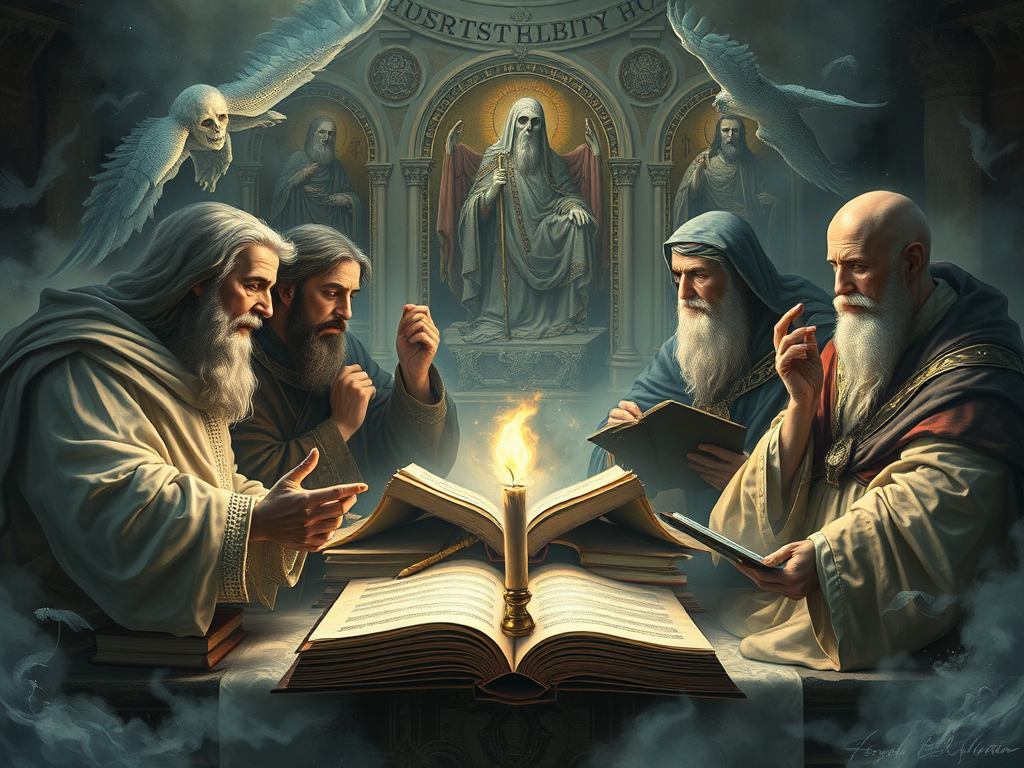
Christian discussion of the dead, spiritual experiences, and the unseen world developed through biblical interpretation, worship, pastoral practice, and theological debate. It did not unfold as a single uniform opinion shared by every writer. The most useful history follows particular texts and distinguishes a reported experience from a doctrine a church formally teaches. Begin with…
-

Jewish and Early Christian Historical Context
The Bible’s warnings about consulting the dead belong within a wider history of worship, prophecy, burial, remembrance, and questions about life after death. Those subjects overlap, but they are not identical. A useful historical account begins by distinguishing the activity a text condemns from the beliefs or practices it merely describes. The Torah and Competing…