
Tag: god
-

GENESIS — CHAPTER-BY-CHAPTER SUMMARY
Genesis 1 — Creation (Cosmic Scale) God creates the universe in six days: light, sky, land, plants, sun/moon/stars, creatures, and finally humanity (male and female). God declares creation “very good.” Genesis 2 — Creation (Human Focus) Zooms in on humanity: God forms Adam, creates Eden, assigns stewardship, and fashions Eve from Adam’s side. Marriage is…
-
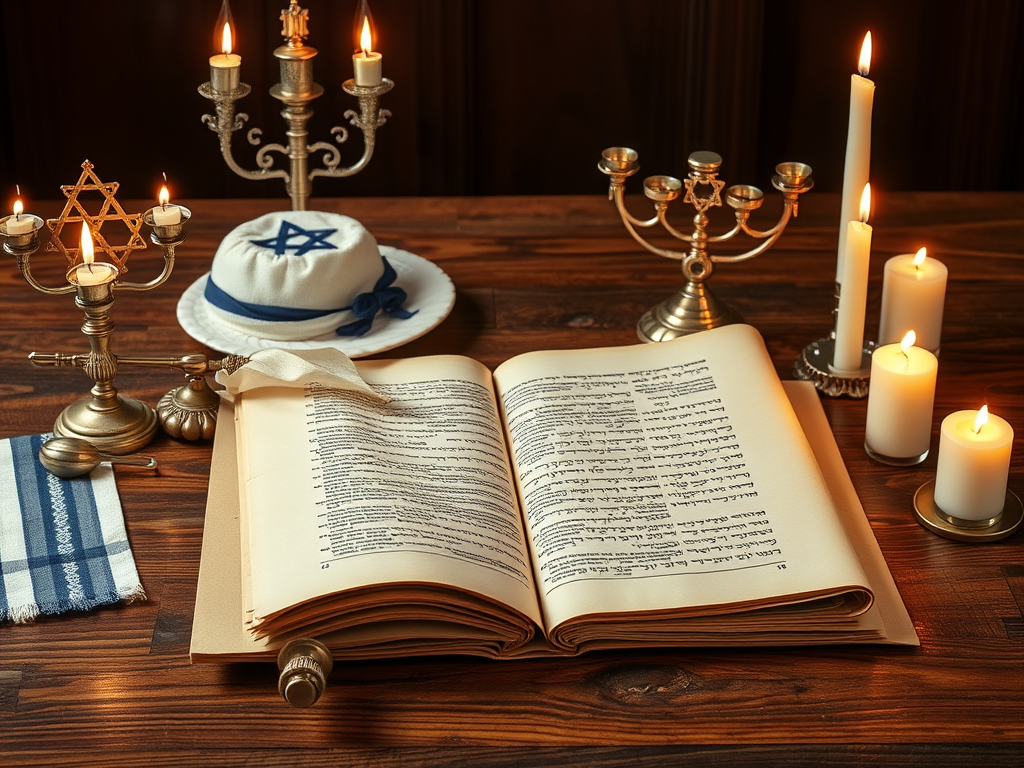
Overview of Jewish Laws (Halakha)
Jewish law is traditionally understood as a combination of Divine commandments and rabbinic legislation, forming a complete system that guides religious, ethical, and daily life. These laws come primarily from: The 613 commandments (mitzvot) traditionally divide into positive (“do this”) and negative (“do not do this”) laws. Below is the simplified structure. 1. Ritual /…
-
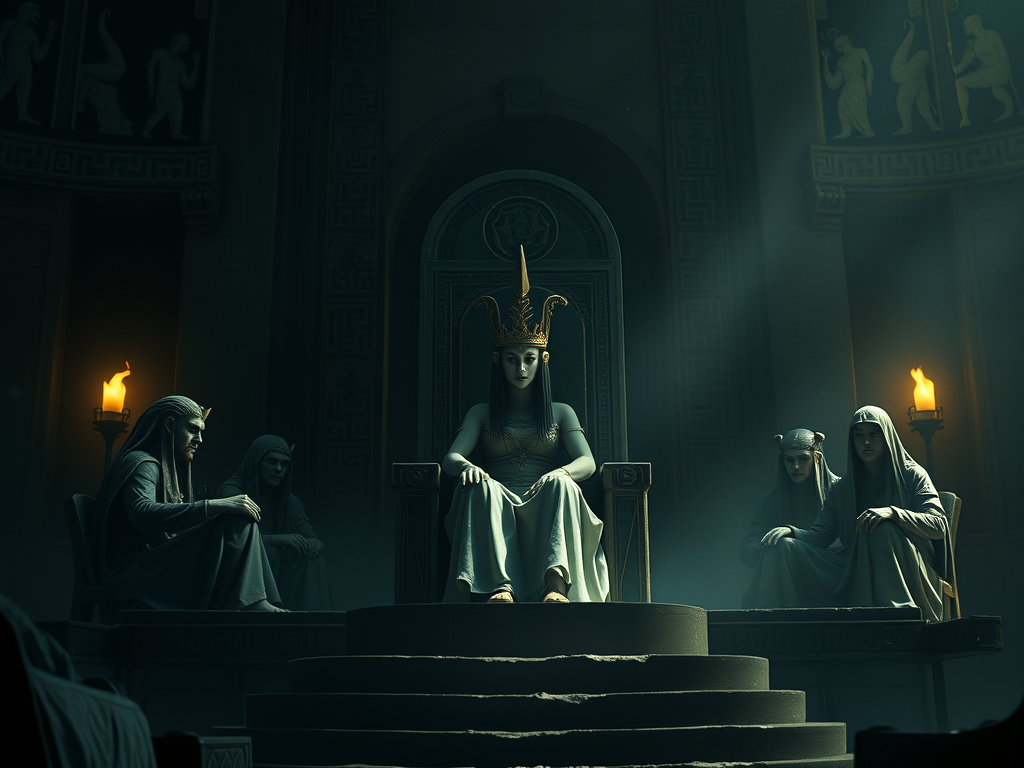
Mesopotamian Hierarchy
Mesopotamia’s underworld feels different from the flame-and-iron hells of later traditions. It is dusty, twilight-soaked, slow as a heartbeat beneath stone, a place where the dead shuffle like memories half-forgotten. Its hierarchy is older than empires and sharper than temple chiselwork. Here is the Mesopotamian infernal order as scholars reconstruct it, wrapped in a little…
-

Goetic Hierarchy of Hell
The Goetic hierarchy feels like a court summoned by candlelight from the underside of the world, each name a sigil trembling in the air. Unlike Milton or Dante, the Lesser Key of Solomon (Ars Goetia) doesn’t describe “nine circles” but a royal chain of command: kings, dukes, princes, marquises, presidents, earls, and knights. Below is…
-
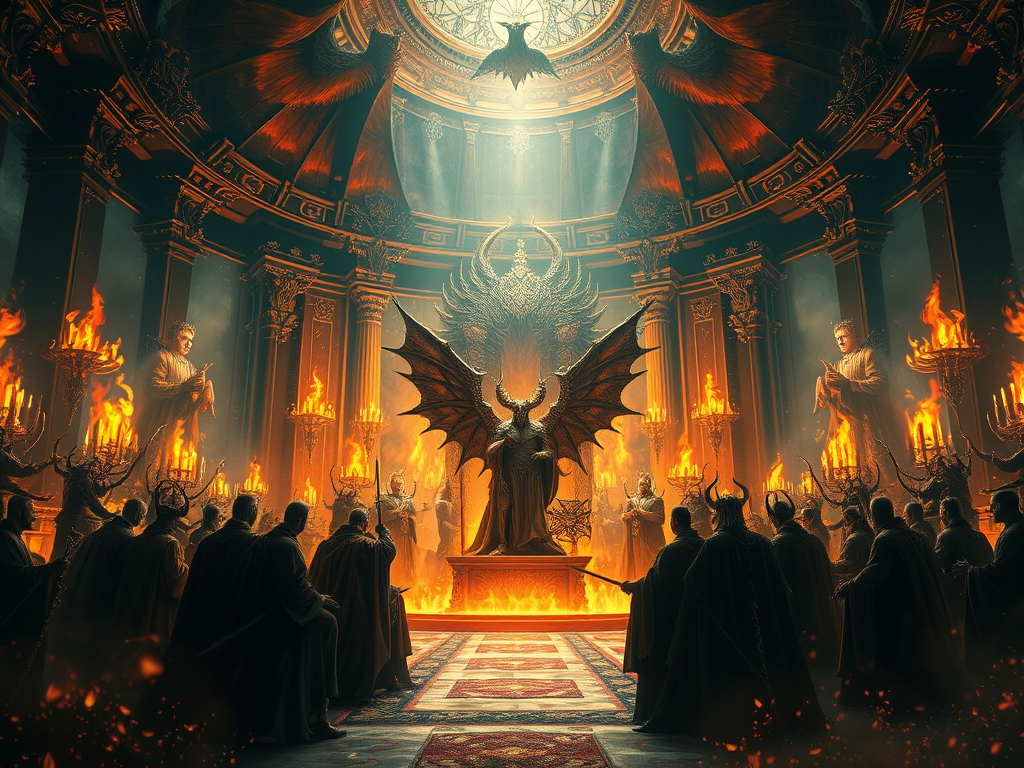
Rulers of Hell According to Milton
Milton’s infernal court unfurls like a parliament forged in volcanic glass, each throne carved from rebellion’s echo. He doesn’t divide Hell into nine circles the way Dante does; instead he builds a single vast, architectonic Realm of Perdition, with a capital (Pandæmonium) and a hierarchy of rulers among the fallen host. Below is the roster…
-
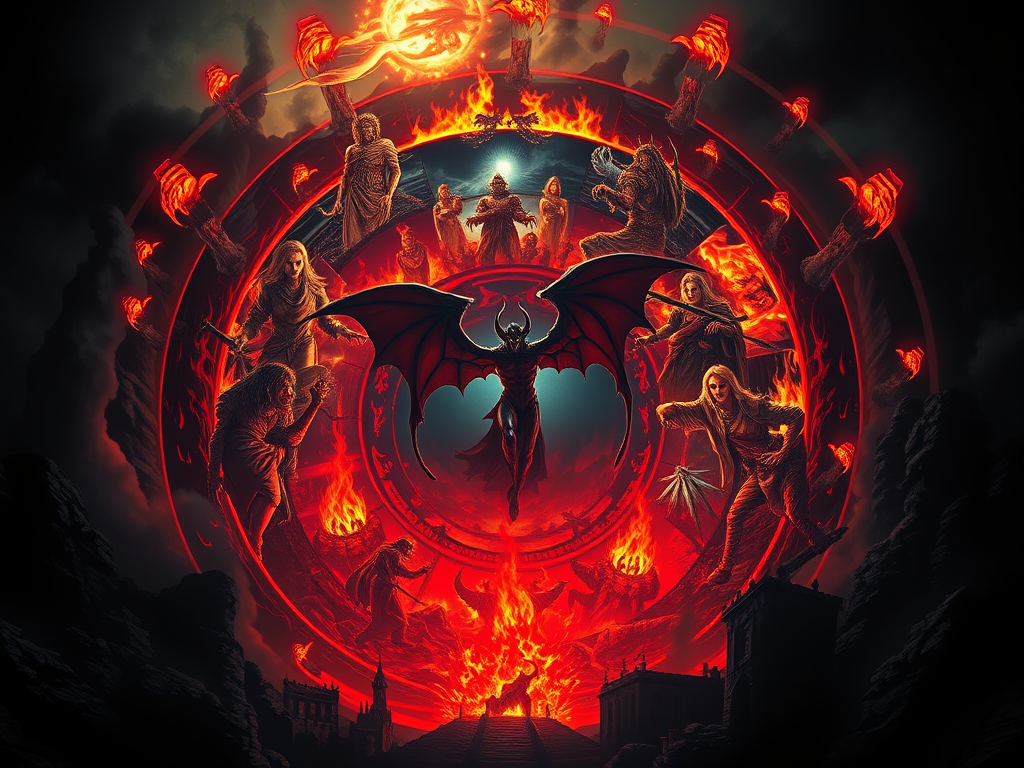
The Nine Circles of Hell
The nine circles sit like a downward-spiraling crown of calamity, each ring ruled by a sovereign whose very presence bends the atmosphere into strange, infernal geometry. Different traditions name different rulers, but in the classical Inferno-inspired hierarchy (Dante + medieval demonology), the thrones usually look like this: 1. Limbo No ruler in the tyrant sense.A…
-
Comparative Synthesis
Here’s a final synthesis tying together the four great perspectives—Judaism, Christianity, Islam, and modern spirituality—on what it means for “the dead to speak.”This also naturally bridges to your Purgatory-as-realm idea in Divine Fate, where communion across the veil is a sacred and lawful act rather than a transgression. 🕎 1. Judaism — The Veil of…
-
Modern and Esoteric Interpretation
Now we move into the modern and esoteric interpretations (19th–21st centuries), where humanity’s view of “talking to the dead” shifted from religious prohibition to philosophical exploration, scientific experiment, and spiritual revival. This period blends theology, mysticism, and even early psychology — the world trying to understand what lies beyond death while reconciling it with reason.…
-

Renaissance and Reformation Era
In this next phase takes us into the Renaissance and Reformation era (14th–17th centuries), when the medieval fear of necromancy evolved into something far more complex: the occult sciences.Here, Christian theology, forbidden magic, and the birth of modern mysticism collided. 🌗 1. The Renaissance Shift: From Demonology to “Natural Magic” During the late Middle Ages,…
-
Christian Mystic and Theological Evolution
This next layer takes us deep into the Christian mystic and theological evolution of necromancy and spirit contact — from the early Church Fathers through the medieval era. It reveals how ideas about the dead, spirits, and divine vision matured into what became the Church’s doctrines on ghosts, saints, and Purgatory itself. 🕊️ 1. Early…